

Introduction
Jet ski finance can make a big purchase feel more manageable, but the wrong setup can still stretch your budget. Before you borrow, look closely at the loan amount, your monthly comfort level, and the full purchase price. A smart choice is not just about getting approved. It is about choosing repayments you can handle with confidence.
Understanding Jet Ski Finance in Australia
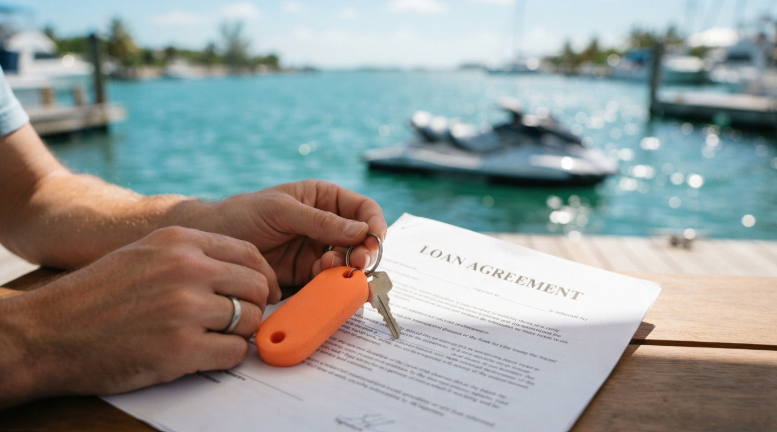
In Australia, a jet ski finance loan is often arranged as a personal loan or a more tailored watercraft loan. The goal is simple: match the finance to your budget, not just the item you want to buy.
That is why the application process matters. Working with a provider that operates under an Australian credit licence and offers competitive rates can make it easier to compare options and choose a term that fits.
What is jet ski finance and how does it work?
Jet ski financing lets you pay for your purchase over time instead of upfront. You select a loan term, apply, and repay through scheduled instalments.
To apply, you'll need ID, proof of income, and details about the jet ski—whether from a dealer or private seller.
Monthly payments depend on the loan amount, term, and interest rate. Even small changes in the term can affect your monthly cost.
Typical lenders and loan products for jet ski finance
You may see jet ski finance offered through different lender types, including a credit union or a specialist broker. The product itself may be set up as a personal loan, secured loan, boat loan, or watercraft loan.
Common product types include:
Personal loan options for simple borrowing.
Secured loan structures tied to the asset.
Boat loan or watercraft loan products for recreational vehicle loans.
Comparing lenders matters because terms, fees, and flexibility can vary. If you are buying from a dealer, a private seller, or looking at older jet skis, the right product can depend on your situation and the jet ski purchase itself.
Loan Terms Explained: How Length Impacts Your Jet Ski Finance Repayments
A loan term is the time you take to repay the debt. It directly affects monthly payments, because the same loan amount spread across fewer months usually costs more each month.
Still, lower monthly payments do not always mean better value. Longer terms can increase total interest across the life of the loan, so it helps to weigh loan rates against your real budget before choosing.
Short-term vs long-term loans—what’s the difference?
In short: Shorter terms mean higher monthly payments but lower overall costs. Longer terms lower your payments but increase total interest, making it a budget decision.
Shorter terms reduce total cost and interest.
Longer terms ease monthly cash flow.
Choose a term that fits your budget, not just your preference.
If you value lower payments for seasonal use, choose a longer term. If you want to pay off debt quickly, pick a shorter term.
Common Repayment Options for Jet Ski Loans
Jet ski loans can come with different repayment schedules, and that choice affects how predictable your budget feels. The main options people look at are fixed interest rate plans, variable rates, and structures with a balloon payment.
Each setup changes monthly repayments in a different way. If you want fewer surprises, one path may suit you better than another, which is why the next details matter.
Fixed versus variable repayment schedules
A fixed interest rate keeps your monthly payments more predictable. That can help if you want a clear budget and do not want your repayment amount changing as you go.
Variable rates can move, which means your repayments may also shift. When comparing options, always look past the headline and consider the comparison rate as well.
A quick way to think about it:
Fixed interest rate: steadier budgeting.
Variable rates: less certainty over time.
Comparison rate: a broader view when comparing offers.
Balloon payments and their pros and cons
A balloon payment means part of the debt is left to the end of the loan term as a larger lump sum. This can reduce regular repayments during the term, which may help short-term cash flow.
That sounds useful, but the trade-off matters. You still need a plan for the final amount, and the structure can affect total interest over time.
Pros and cons at a glance:
Lower regular repayments during the term.
Bigger lump sum due at the end.
Needs careful planning so the final payment does not become a problem.
Key Factors to Ensure Jet Ski Finance Repayments Stay Affordable

Affordable finance is not just about getting approved for a loan amount. You also need to look at interest rates, fees, and whether the repayment setup still works when life gets busy.
Your credit score and the lender’s eligibility criteria can also shape the offer you receive. Checking these details early can save you from committing to repayments that feel fine on paper but hard in real life.
Interest rates, fees, and hidden costs to watch for
Interest rates are only one part of the full cost. Fees and hidden costs can change what the loan really costs you, even if the starting figure looks competitive.
Before signing, check:
Upfront or ongoing fees.
How loan rates affect total interest.
Whether refinancing later could help if better terms become available.
A practical example is easy to miss. You may budget for the jet ski itself but forget separate purchases like safety gear or jet ski insurance, which can tighten your monthly budget after settlement.
Assessing your budget: Step-by-step guide before applying
Before you apply, work through your numbers in a simple order. This is the best way to choose a term that matches your financial situation instead of guessing.
Start here:
Check your proof of income and regular living costs.
Review your credit history and credit report.
Think about personal circumstances like seasonal income or changing work patterns.
If your monthly repayments only work in a perfect month, they are probably too high. A safer setup leaves room for everyday costs and gives you more peace of mind when your circumstances shift.
Conclusion
Choosing the right loan term for your jet ski finance ensures repayments fit your budget. Understand the impact of short- and long-term loans, and explore fixed or variable repayment options to make informed decisions. Consider interest rates and hidden fees, as these affect total costs. Assess your budget before applying to avoid financial stress and enjoy your jet ski worry-free. For personalised guidance, contact our experts for a free consultation.
Frequently Asked Questions
Is it better to choose a shorter or longer loan term for jet ski finance?
It depends on your budget. Shorter terms usually mean higher monthly repayments but a lower total cost, while longer terms can reduce monthly repayments and ease cash flow. The right loan term is the one you can manage comfortably.
What should I do if I miss a repayment on my jet ski loan?
Act quickly and speak to your lender as soon as possible. Missing repayments can affect your credit report and may make future borrowing harder, especially if a later loan application is assessed as bad credit and offered at higher rates.
Can I refinance my jet ski loan to lower my monthly repayments?
Yes, refinancing may help you secure lower monthly payments if you qualify for a better rate or more flexible terms. Before starting the application process, compare the new setup carefully to make sure it improves your budget overall.