
Mobile gaming is no longer just a casual pastime people open for a few minutes and forget. For many players, it has become part of their daily entertainment routine. New seasons, limited-time rewards, battle passes, collaboration events, character skins, weapon finishes, and premium bundles now shape how players interact with their favorite games.
That shift has also changed the way players think about payment. Buying in-game currency is no longer a tiny side action hidden at the edge of the experience. In many mobile games, it is connected to event planning, account management, digital identity, and personal spending habits.
As a result, the quality of the top-up experience now matters almost as much as the product being purchased.
Mobile Game Spending Has Become More Planned
In the early days of mobile games, many purchases felt simple and occasional. A player might buy a small pack, unlock an item, and move on. Today, the experience is more structured. Players often check event calendars, compare reward tracks, calculate how much currency they need, and decide whether a pass or limited item is worth it.
This is especially true for live-service mobile games. Events are designed around timing. Some rewards are only available for a short period, while others are tied to specific seasons, collaborations, or in-game milestones. That creates excitement, but it can also create pressure.
Because of that, players are becoming more careful. Before making a purchase, many now want to confirm several basic details:
- Which package they are buying
- How much currency they will receive
- Which account information is required
- What payment methods are available
- Whether the final amount is clear before checkout
- How to follow up if an order needs support
These details may look small, but in digital commerce, small details often decide whether the purchase feels smooth or frustrating.
Checkout Clarity Is Now Part of the Player Experience
A confusing payment process can quickly damage the player experience. If a user has to search for the right product page, guess which account ID is needed, or wonder whether the amount displayed is final, the purchase becomes stressful before the game even begins.
That is why specialized game top-up platforms have become more relevant. Platforms such as ManaBuy are built around the idea that players should be able to find game products, review available packages, check payment options, and complete an order in a more organized way.
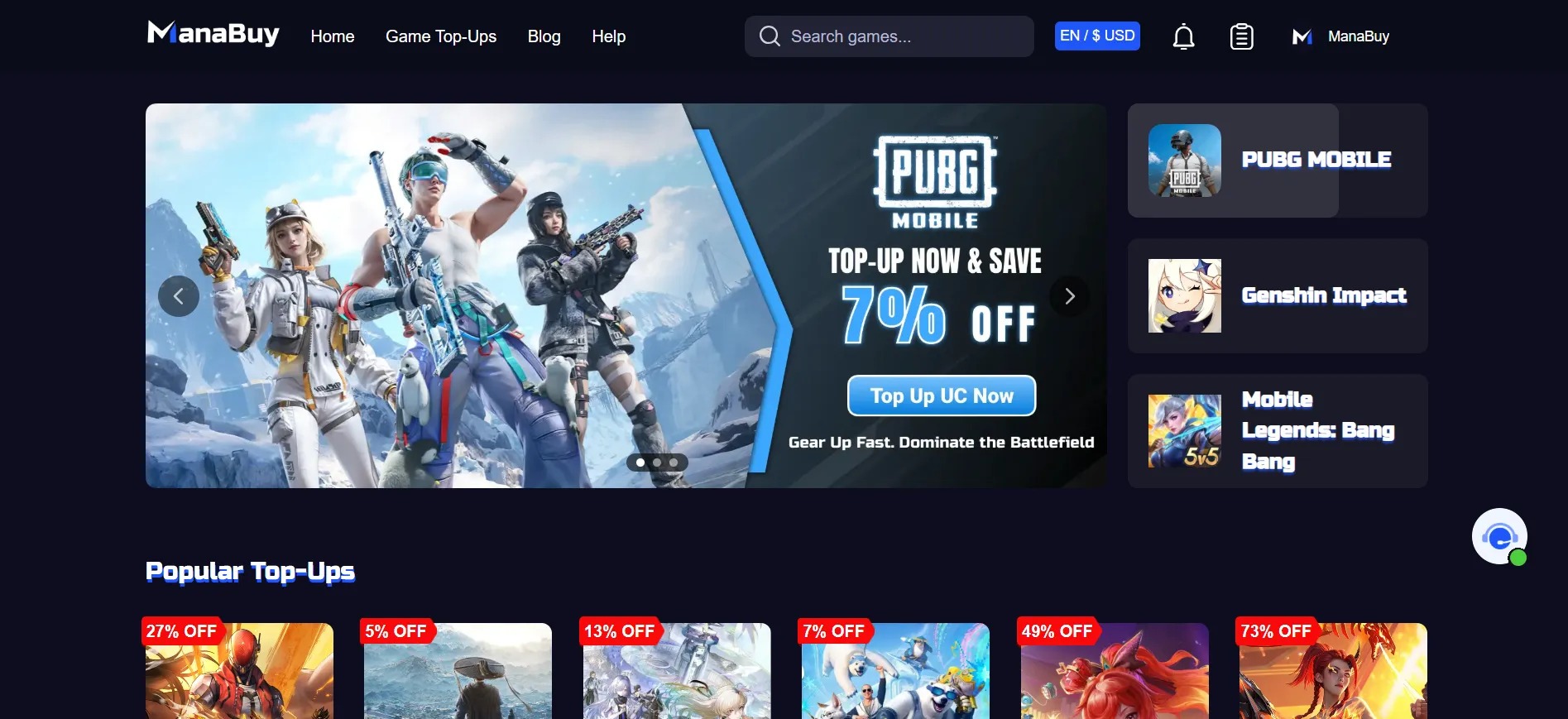
The point is not only speed. Players also need clarity. A top-up platform should make it easier to understand what is being purchased and what information is required before payment. In mobile gaming, where many purchases happen during limited-time events, that clarity can help reduce avoidable mistakes.
For players, the ideal payment flow is simple: choose the game, select the package, confirm the correct account details, review the payment method, and keep a record of the order. When these steps are easy to follow, the transaction feels more reliable and less rushed.
Local Payment Habits Are Different Across Markets
One major change in digital game payments is localization. Mobile games are global, but payment habits are not the same everywhere.
Some players prefer credit cards. Others use digital wallets. In certain regions, local payment options are far more familiar than international cards. Currency display also matters. A player is more likely to feel comfortable when the final amount is shown in a way they can understand.
This is one reason why multi-currency support and localized payment methods are becoming important parts of game commerce. Players do not only want access to the game. They want the payment experience to feel familiar.
For global mobile games, this matters even more. A single game may have players from Asia, Europe, Latin America, the Middle East, and North America. Each market has different expectations for checkout, payment confirmation, and customer support. Platforms that can reduce these barriers may have a stronger role as mobile gaming continues to expand internationally.
PUBG MOBILE Shows Why Top-Up Planning Matters
PUBG MOBILE is a useful example because its in-game economy is closely connected to events, Royale Pass seasons, outfits, crates, lucky draws, and limited rewards. UC is not just a number in the account balance. For many players, it is tied to a specific plan.
A player may want to unlock a Royale Pass, prepare for an event, collect a particular outfit, or try a limited crate. These are different goals, and they should not always lead to the same purchase decision.
Before completing a PUBG MOBILE UC top up, players should check the UC package, confirm their account information, review the final price, and make sure the purchase matches the event they are actually planning for. This helps prevent common mistakes such as buying too little, buying too much, selecting the wrong package, or rushing into an event without understanding the reward structure.
The better habit is simple: decide first, top up second.
That approach helps players avoid impulse spending. It also makes the purchase feel more intentional. In games built around constant updates, this kind of planning is becoming more important.
Trust Is Built Through Details, Not Big Claims
In digital payments, trust does not come from exaggerated promises. It comes from clear information, consistent service, and a checkout process that does not confuse the user.
Players are increasingly cautious about where they enter account details, how they pay, and what kind of support is available after payment. They are also more aware of risky offers, especially those that promise free currency, unrealistic discounts, or unofficial shortcuts.
This is why a neutral and transparent top-up process matters. A platform does not need to overpromise. It simply needs to show the product clearly, explain what information is needed, provide available payment choices, and give players a way to check the order if something requires follow-up.
For many players, that is enough to make the experience feel more manageable.
Mobile Game Payments Are Becoming Digital Commerce Infrastructure
The larger trend is that mobile game top-ups are moving closer to mainstream digital commerce. They are no longer isolated purchases inside a game. They now involve payment localization, customer support, user education, fraud awareness, and cross-border transaction habits.
This creates opportunities for game publishers, payment providers, and third-party top-up platforms. It also raises expectations. Players want fewer obstacles and fewer surprises. They want payment flows that match the speed of mobile gaming without sacrificing basic clarity.
As mobile games continue to grow across regions, the top-up experience will likely become more important. Players may still care about price and delivery, but they also care about whether the process feels understandable from start to finish.
Conclusion
Digital payments are changing how mobile gamers top up because the purchase itself has become part of the overall game experience. Players are not only buying currency. They are preparing for events, managing budgets, choosing rewards, and protecting their account information.
The platforms that understand this shift will focus less on loud claims and more on practical details: clear product pages, localized payment options, easy-to-check order information, and support that helps players when something needs attention.
For today's mobile gamers, a good top-up experience is not just about completing a transaction. It is about making the whole process feel clearer, more organized, and better aligned with how they actually play.