
Taiwan Semiconductor Manufacturing Company Ltd. (TSM)
400.11
-6.02 (-1.48%)
NYSE · Last Trade: Nov 2nd, 3:52 PM EST
News & Press Releases
Can These 4 ETFs Build a Retirement Portfolio on Their Own?fool.com

These four ETFs will give you instant exposure to the stock, bond, and real estate markets.
Via The Motley Fool · November 2, 2026
4 Stocks to Buy in Novemberfool.com

2027 is coming, and these four stocks could be smart buys now.
Via The Motley Fool · November 2, 2026
Alphabet’s $400 Billion Sell-Off Could Be the Best AI Buying Window Left in 2026marketbeat.com

Alphabet's 12% drop followed search and YouTube misses as Google Cloud beat. Altimetry likes Microsoft, AMD and Generac and avoids CoreWeave and Cipher Digital.
Via MarketBeat · November 2, 2026
Intel vs. Taiwan Semiconductor: The AI Boom Is Telling Two Very Different Storiesfool.com
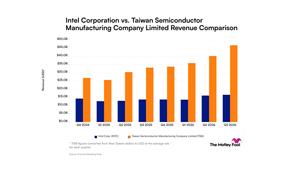
Two semiconductor powerhouses are navigating the AI boom, but their contrasting revenue trends reveal just how differently their businesses are performing.
Via The Motley Fool · November 2, 2026
5 Huge Winners From Anthropic's IPOfool.com

Anthropic is spending big to bring its AI vision to reality.
Via The Motley Fool · November 1, 2026
2 Unstoppable Growth Stocks I'd Buy With $1,000 and Hold for a Decadefool.com
Neither company designs AI chips, but both get paid when AI chips are built, whoever designs them.
Via The Motley Fool · November 1, 2026
Here's the Real Winner of the AI Build-Outfool.com
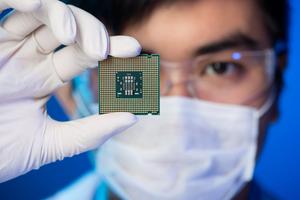
Taiwan Semiconductor is set to cash in as long as the build-out continues.
Via The Motley Fool · October 31, 2026
A SpaceX and Tesla Merger Will Only Be Successful If This One Thing Happensfool.com

Vertical integration could be the key to any competitive edge in the years ahead.
Via The Motley Fool · October 31, 2026
If the AI Bubble Scare Gets Worse, This Is the Chip Stock I'd Still Holdfool.com

Taiwan Semiconductor makes most of the advanced processors that allow the AI industry to function.
Via The Motley Fool · October 30, 2026
Here’s What a $10,000 Investment in TSMC Stock Will Be Worth by 2030fool.com
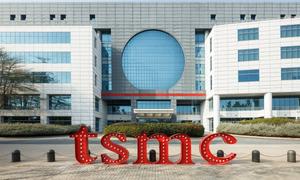
The foundry giant can still become a multibagger following a stellar run over the past five years.
Via The Motley Fool · October 30, 2026
Advanced Micro Devices' Meta Platforms Partnership Goes Beyond a $1 Billion Investmentmarketbeat.com
AMD and Meta expanded their partnership with a $1 billion equity investment and multi-generation chip co-design, deepening AMD's role in Meta's gigawatt-scale AI data center build-out.
Via MarketBeat · October 30, 2026
Applied Materials vs. Taiwan Semiconductor Manufacturing: Comparing Revenue Growth Trends Between These Artificial Intelligence Companiesfool.com
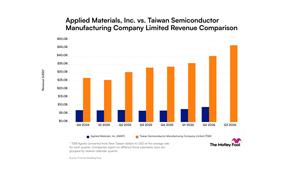
Taiwan Semiconductor Manufacturing's latest quarter hit $46.7 billion, while Applied Materials' revenue gap continues to narrow with accelerating growth.
Via The Motley Fool · October 30, 2026
3 AI Stocks to Buy and Hold Through 2030fool.com

Morgan Stanley expects data center investment to stretch into the trillions in the next few years -- and these three stocks stand to benefit.
Via The Motley Fool · October 29, 2026
This Is SpaceX's Biggest Risk, and It's Not What You Thinkfool.com

SpaceX's biggest risk isn't its valuation or impending stock lock-ups.
Via The Motley Fool · October 29, 2026
If I Were Building an Investment Portfolio From Scratch Today, I'd Start With These 2 ETFsfool.com

I'd stick to what has worked so well in the past decade while adding international exposure.
Via The Motley Fool · October 28, 2026
2 Millionaire-Maker Custom Silicon Stocks Powering the AI Infrastructure Supercyclefool.com

If you had invested $25,000 in each of these semiconductor stocks 15 years ago, each position would now be worth well over $1 million.
Via The Motley Fool · October 28, 2026
Taiwan Semiconductor Flexes Pricing Power on AI's Frontlinemarketbeat.com

TSMC is raising prices 10% to 20% on advanced packaging and 3% to 6% on wafers, leveraging its dominant position to pass rising capital costs on to AI chipmakers.
Via MarketBeat · October 28, 2026
5 Stocks Poised to Win Big as SpaceX Ramps Up AI Infrastructurefool.com

A few stocks will likely see big revenue boosts from SpaceX's spending.
Via The Motley Fool · October 28, 2026
Nvidia vs TSMC: Here’s Which One May Be the Biggest AI Winner.fool.com

Both stocks have climbed in the triple digits over three years.
Via The Motley Fool · October 28, 2026
Jensen Huang's Late-Night Calls With President Trump Come as Nvidia's China AI Chip Shipments Fall 44% in the First Half of 2026. Here's Why His Access Matters.fool.com

Chinese companies reportedly want billions in Nvidia chips, but shipments have still fallen 44% in the first half of 2026.
Via The Motley Fool · October 27, 2026
Broadcom vs. Taiwan Semiconductor: Two AI Powerhouses, One Surprising Revenue Trendfool.com
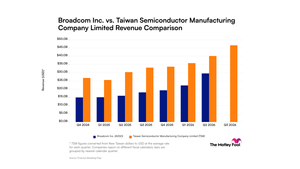
Broadcom and Taiwan Semiconductor are two of the biggest beneficiaries of the AI boom, but their revenue trends reveal a surprising difference in how quickly each business is growing.
Via The Motley Fool · October 27, 2026
Apple vs. Taiwan Semiconductor: Which Tech Stock Is a Better Buy in 2026?fool.com

Apple has tremendous brand power, while Taiwan Semiconductor is growing revenue at almost twice the rate.
Via The Motley Fool · October 27, 2026
Intel and TSMC Are Vying for Chip Fabrication Supremacy. 1 Offers Superior Value.fool.com
The market has already declared Intel a winner.
Via The Motley Fool · October 26, 2026
Micron Just Revealed a New Business Strategy. That Change Makes It a Screaming Buy.fool.com
Micron is changing more toward contracts, rather than letting the open market dictate pricing.
Via The Motley Fool · October 25, 2026
Taiwan Semiconductor Is Set to Cash in on AI. Here's What a $5,000 Investment Could Be Worth by 2030.fool.com
Taiwan Semiconductor is likely to be one of the best performing AI stocks in the next few years.
Via The Motley Fool · October 25, 2026